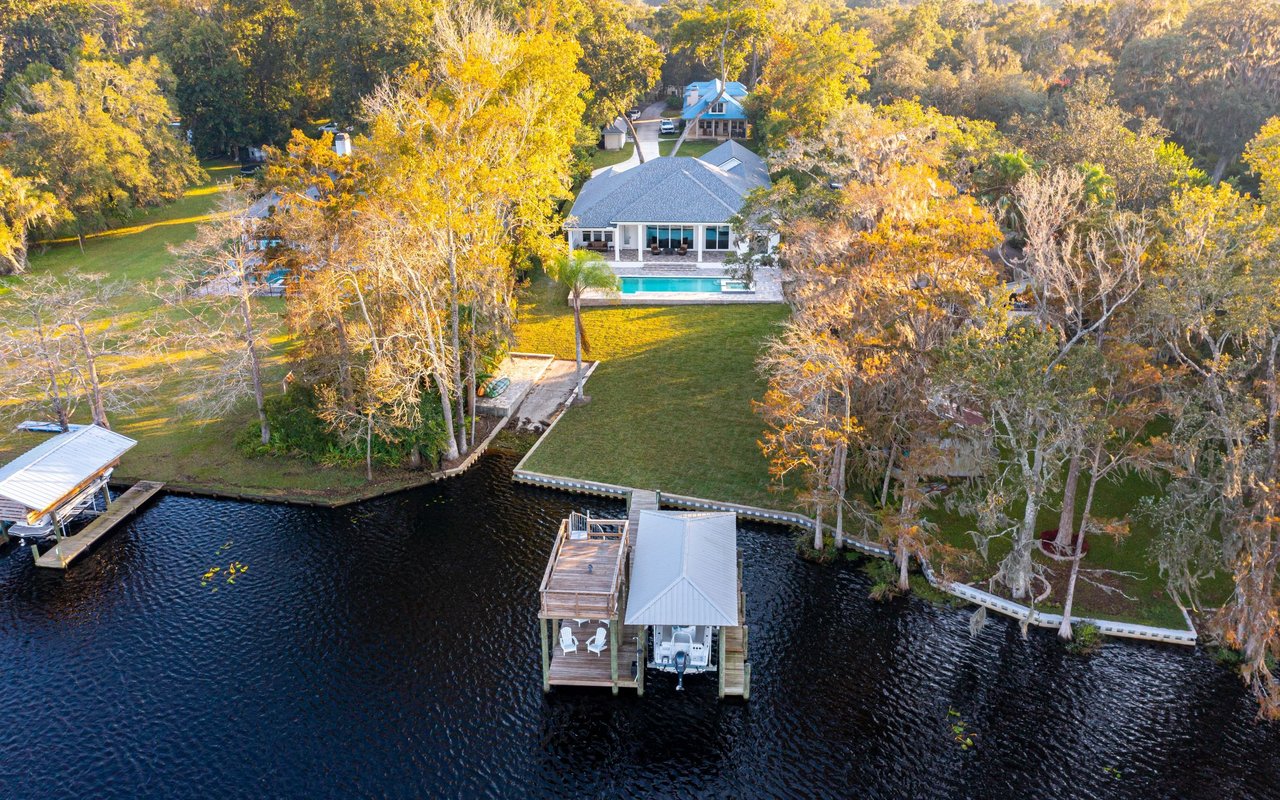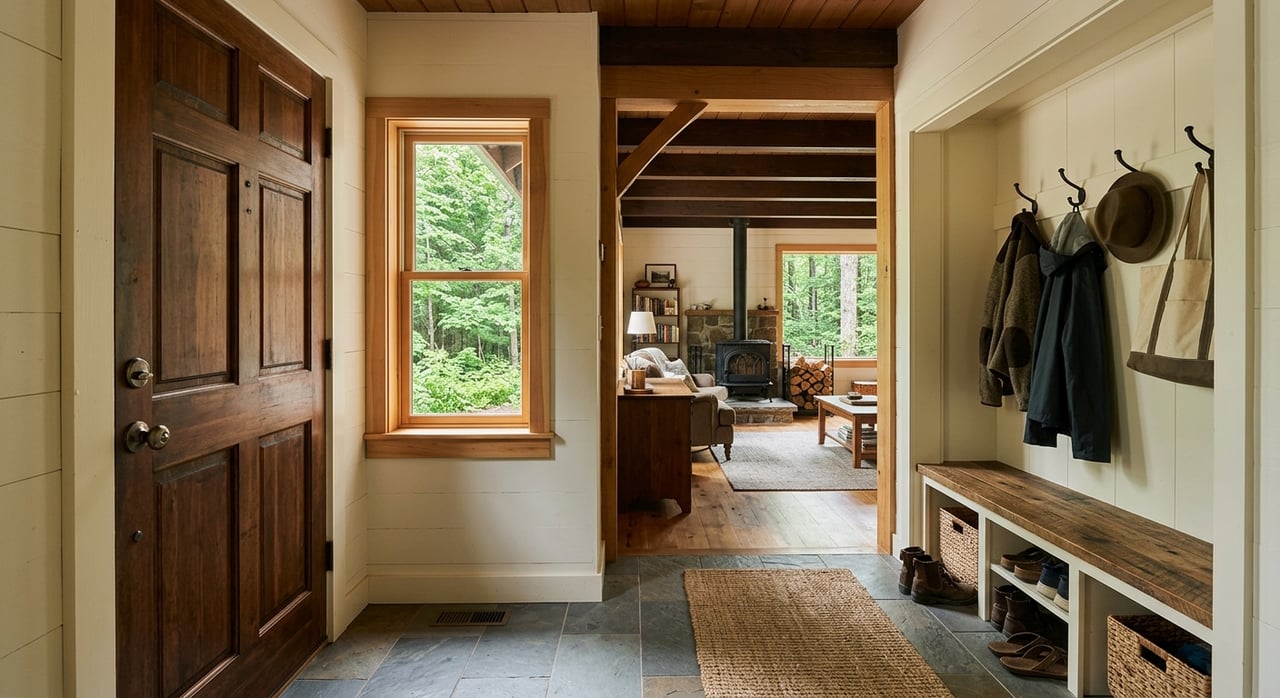
If you are dreaming about a second home in Maine’s Lakes Region, Casco deserves a close look. This is a town where lake life shapes the market, the seasons matter, and the details behind a property can affect how you use it for years to come. If you are buying from out of area, understanding access, shoreline rules, utilities, and local ownership patterns can help you make a smarter decision. Let’s dive in.
Why Casco appeals to second-home buyers
Casco has a strong lake-town identity. According to the town’s comprehensive plan, tourism is concentrated around Sebago Lake, summer visitors support the local economy, and many homes are used as short-term rentals during the busy season.
That gives Casco a very different feel from a typical year-round service hub. The same plan notes that much of the town’s commercial activity is along Route 302, while the villages are mostly residential. For many buyers, that is part of the appeal. You get a place centered on recreation, water access, and a slower seasonal rhythm.
Casco also stands out for its lakes and ponds. The town identifies Pleasant Lake, Sebago Lake, and Thompson Lake as local standouts, and says most of its lakes and ponds have good to outstanding water quality. For a second-home buyer, that matters because long-term enjoyment and long-term property value are both closely tied to lake health.
What homes look like in Casco
Casco’s housing stock is heavily seasonal, which is important context if you are comparing it to other Maine towns. The town reports 3,130 total housing units, with 1,363 classified as seasonal, recreational, or occasional use. That is 44% of the total housing stock, showing just how important second homes are in this market.
You are also likely to see a mix of property types. Casco includes older camp-style properties near the water, newer year-round homes, and some mobile-home inventory in the broader market. The town plan notes that 37% of homes were built after 1990, which supports that blend of classic seasonal properties and more modern housing.
Ownership patterns also tell you something useful. Of occupied homes, 84% are owner-occupied, and the town notes that new residents include out-of-state buyers. If you are coming from Greater Boston or another out-of-area market, you are not stepping into unfamiliar territory. Casco already functions as a destination for buyers who want a home tied more to lifestyle than to local commuting patterns.
Why seasonality matters in your search
In Casco, buying a second home is not just about square footage or waterfront footage. It is also about how the property works in different seasons. Some homes were built as camps first, and while they may now be used more often, their systems and layout may still reflect seasonal use.
The town’s planning documents say there have not been recent large-scale shifts from seasonal to year-round use, but they also note that septic and insulation upgrades would be part of that process if use changes. If you are hoping to use a property year-round, that is a practical issue to investigate early.
Inventory can also feel tight. Town staff described housing as limited, with only a small number of homes on the market at a time, and noted that a meaningful share of rental stock is tied up in short-term rentals. That means preparation matters. If the right property comes up, you want to be ready to evaluate it quickly and carefully.
Water access is not all the same
One of the biggest mistakes second-home buyers make is assuming every lake-area property offers the same level of access or convenience. In Casco, water access varies, and it is worth confirming the details before you fall in love with a listing.
The town says Crescent Beach and Pleasant Beach are for residents and taxpayers of Casco and their guests. The comprehensive plan also notes that some Sebago Lake frontage includes private resorts with private beaches, that Dumpling Pond does not have public access for Casco residents, and that boat launches are available at Coffee Pond, Parker Pond, Pleasant Lake, and Sebago Lake State Park.
If boating is a major part of your plan, small details can have a big impact. Maine’s information for Sebago Lake State Park day-use fees and the state’s launch information help show what regular use may look like in practice. Casco also has one boat pumpout station at Kettle Cove Marina, another detail that may matter if you will keep a boat nearby.
Shoreland zoning should be a first check
In a lakefront market, the lot matters as much as the house. If you plan to add a dock, clear trees for a better view, expand a structure, or make exterior changes, zoning and environmental rules can shape what is possible.
Maine DEP explains that the shoreland zone generally includes land within 250 feet of great ponds, rivers, and certain wetlands. Casco’s zoning page states that the official zoning map and shoreland zoning map were adopted in 2009, and where districts overlap, the most restrictive rules apply.
This is one of the most important due diligence steps for second-home buyers. A property may look like it has room for changes, but overlays or shoreland rules can affect what you can actually do. Verifying those details early can save time, money, and frustration later.
Due diligence items to ask about
When you are buying in Casco from out of area, a few questions should rise to the top right away.
Ask about the water source
If a home is served by a private well, testing matters. The Maine CDC says private wells are not regulated and that owners are responsible for testing and treatment. It also recommends testing when buying a new home.
For a second home, that makes recent water quality information especially important. If the property has been occupied only seasonally, you want to understand how recently the system has been used and whether current test results are available.
Ask about septic and seasonal conversion
Wastewater systems are another major issue, especially for older camps. The Maine CDC wastewater permitting guidance says permits are required for new, expanded, or replacement subsurface systems, and the rules also include a seasonal conversion permit.
If you want to turn a three-season property into a four-season home, this is not a small detail. Septic capacity, site conditions, and permitting can affect both cost and feasibility.
Check flood maps and insurance needs
Waterfront buyers should never assume a standard homeowners policy covers flood damage. FEMA says most homeowners policies do not cover flood loss, and the Flood Map Service Center is the official source for flood maps.
For some properties, especially those with government-backed financing in high-risk areas, flood insurance may be required. Even when it is not required, you still need to understand your exposure and the insurance picture before closing.
Confirm winter road access
A home that feels easy to reach in July may work very differently in January. Casco’s Public Works Department says it maintains 60.4 miles of town roads, with the town crew plowing and sanding 20.8 miles and contractors covering the rest.
That is why it is smart to confirm whether a property sits on a town-maintained road, a private road, or a road with special winter arrangements. If you plan to use the home year-round, road maintenance is a real ownership issue, not a minor footnote.
Understand taxes before you close
Ownership cost is more than the purchase price. Casco’s tax office says Maine property tax responsibility is tied to the owner on April 1, and the FY2025-2026 mill rate is 10.25 per $1,000 of valuation.
If you are closing close to spring, it is worth understanding how taxes may be handled in the transaction. This is also useful if you are comparing Casco with other lake towns in the region.
Review short-term rental rules early
If rental income is part of your second-home strategy, check local rules before you buy. Casco adopted a short-term rental registration ordinance in 2022.
The ordinance requires annual registration, re-registration after a change in ownership, and compliance with standards for emergency contact, parking, trash, and occupancy. That does not mean a property will or will not fit your plans, but it does mean you should verify the path forward before counting on rental income.
Casco compared with nearby lake towns
Casco is part of the same broader vacation market as Bridgton, Naples, and Raymond, but it has its own character. A comparison chart in Raymond’s comprehensive plan shows seasonal housing shares of 40.1% for Casco, 42.9% for Bridgton, 42.4% for Naples, and 34.7% for Raymond.
That puts Casco firmly in the vacation-home category, while still showing a meaningful year-round owner base. For many buyers, that balance is attractive. It can feel like a true lake-town market without being identical to some of the more resort-oriented neighboring communities.
Casco’s planning documents also reinforce that residential village character. If you want access to the Sebago Lakes corridor but prefer a town with a more residential feel in parts of the market, Casco may be a strong fit.
Why local guidance matters here
Second-home purchases in lake markets often look simple from the outside. Then you get into shoreland zoning, access rights, well testing, septic questions, flood maps, winter roads, and insurance details.
That is where local guidance can make the process much smoother. In a market like Casco, you want clear answers early so you can focus on the lifestyle goals that brought you here in the first place.
If you are thinking about buying a second home in Casco’s Lakes Region, James Oberg can help you sort through the local market, property details, and practical planning that come with owning in this part of Maine.
FAQs
What makes Casco appealing for a second home?
- Casco offers a strong lake-town setting, a high share of seasonal housing, access to major recreation resources, and lakes that the town describes as having good to outstanding water quality.
What types of second homes can you find in Casco?
- Buyers can expect a mix of older camps and cottages near the water, newer year-round homes, village-area residential properties, and some mobile-home inventory in the broader market.
What should you check before buying a waterfront home in Casco?
- You should verify water access, shoreland zoning, flood map status, water source, septic details, and whether the road is town-maintained or privately maintained.
Can you use a Casco second home as a short-term rental?
- Potentially, but Casco has a short-term rental registration ordinance with requirements related to registration, emergency contact, parking, trash, and occupancy.
Why is shoreland zoning important for Casco property buyers?
- Shoreland zoning can affect whether you can expand a structure, clear trees, add features, or make other changes near the water, so it should be reviewed early in the process.
What insurance questions should Casco second-home buyers ask?
- Buyers should ask whether flood insurance may be required, what a standard homeowners policy does and does not cover, and how seasonal or waterfront use could affect coverage needs.