Buying in Conway often starts with the fun part: mountain views, lake access, and imagining how you will use the property through all four seasons. But before you fall in love with a house, it helps to ask a less exciting question early: Will this home be easy and practical to insure for the way you plan to use it? When you coordinate insurance and real estate from the start, you can avoid surprises, compare homes more clearly, and move toward closing with more confidence. Let’s dive in.
Why insurance matters early in Conway
In Conway, insurance is not just a box to check before closing. The town’s land-use structure and hazard profile make it important to look at the parcel, the home’s intended use, and any future plans as soon as you narrow your options.
Conway’s zoning overlay map includes Floodplain Conservation, Shoreline Protection, Wetland and Watershed Protection, Groundwater Protection, Mountain Conservation, and Special Highway Corridor overlays. The town’s hazard mitigation update also identifies flooding as a major hazard and notes heavy snow pack, steep terrain, forested land, and wildfire or structure-fire exposure.
That does not mean every property is hard to insure. It does mean two homes with similar price tags can come with very different insurance needs depending on location, use, and features.
Start with how you will use the home
Before you compare quotes or schedule inspections, get clear on your plan for the property. Insurance needs can change a lot based on whether the home will be your primary residence, a second home, a rental, or a property that will sit vacant for stretches of time.
This step is especially important in a place like Conway, where buyers often consider year-round living, seasonal use, or future rental flexibility. A home that fits your lifestyle goals may still need a different coverage setup than you expected.
Primary residence coverage basics
A standard homeowners policy typically covers the dwelling, attached structures, personal property, personal liability, loss of use, and medical payments. Lenders usually require this coverage, and one of the most important details is making sure the dwelling limit is high enough to rebuild the house.
When you are comparing homes, it helps to remember that insurance costs and coverage needs can depend on the property’s location, construction, age, local fire protection, and the amount of coverage you choose. That is why address-specific quotes matter.
Second homes and vacant periods
A second home in Conway can be a great fit for four-season use, but it may need a different insurance conversation than a primary home. Standard homeowners coverage may not fit a home that sits empty for longer periods.
Vacant or unoccupied homes can create loss and liability exposures that may not be covered the same way under a standard policy. Policies may also expect you to take reasonable steps to prevent freeze damage, such as maintaining heat or shutting off water when the home will be vacant.
If you are buying a seasonal home, tell the insurance professional how often the property will be empty and for how long. That one detail can affect the type of policy you need.
Rental and home-sharing use
If you think you may rent the home now or later, bring that up early. Most homeowners or dwelling policies are not designed to cover accidents arising from short-term rentals, and regular longer-term rental use may require a landlord policy.
Conway also has local rental rules that buyers should know. Under the town’s Chapter 72 Housing Standards Program, rental properties must register, and when a property changes from a primary dwelling to a rental, the new owner must register and complete a town inspection before renting. The town also notes that rental compliance does not transfer to a new owner.
That means a future rental plan is not just an insurance question. It is also part of your local due diligence.
Flood insurance can affect your timeline
Flood exposure deserves special attention in Conway. Most homeowners and renters insurance does not cover flood damage, so flood coverage is a separate conversation.
NFIP flood insurance is available for homeowners, renters, and businesses. If a home is in a Special Flood Hazard Area and you are using a government-backed mortgage, flood insurance is required.
The timing matters too. NFIP policies usually have a 30-day waiting period, although certain mortgage-related transactions and specific map-change situations can create exceptions.
Why waiting can create stress
If you wait until the last minute to ask about flood insurance, you may find that the coverage timeline does not line up neatly with your closing schedule. That can add pressure during an already busy part of the transaction.
Flood rates are also property-specific and do not vary by insurance provider. So when you compare homes, it helps to know early whether flood insurance may be needed and what that means for your total monthly cost.
What flood insurance may not cover
Buyers sometimes assume flood coverage protects everything on the property. It does not.
NFIP flood coverage does not pay for temporary housing, business interruption, cars and most self-propelled vehicles, or many outdoor items such as landscaping, septic systems, decks, patios, fences, and swimming pools. For lake-area or mountain-area properties with outdoor improvements, that is an important detail to understand before you buy.
Conway property features can change the insurance conversation
The same features that make a Conway property attractive can also affect insurance planning. Waterfront access, mountain terrain, seasonal use, and recreational equipment all deserve a closer look.
This is where having your real estate and insurance conversations side by side can be especially helpful. You are not just asking whether you like the home. You are asking whether the full ownership picture makes sense.
Overlay districts and future plans
As you narrow your search, ask whether the parcel falls within any of Conway’s overlay districts. The town’s official map includes floodplain conservation, shoreline protection, wetland and watershed protection, groundwater protection, mountain conservation, and special highway corridor overlays.
That matters if you hope to make future changes, add structures, or adjust the use of the property. Conway’s Planning Department and Code Enforcement handle questions related to planning, zoning, and inspections, so these issues are worth checking early.
Boats and personal watercraft
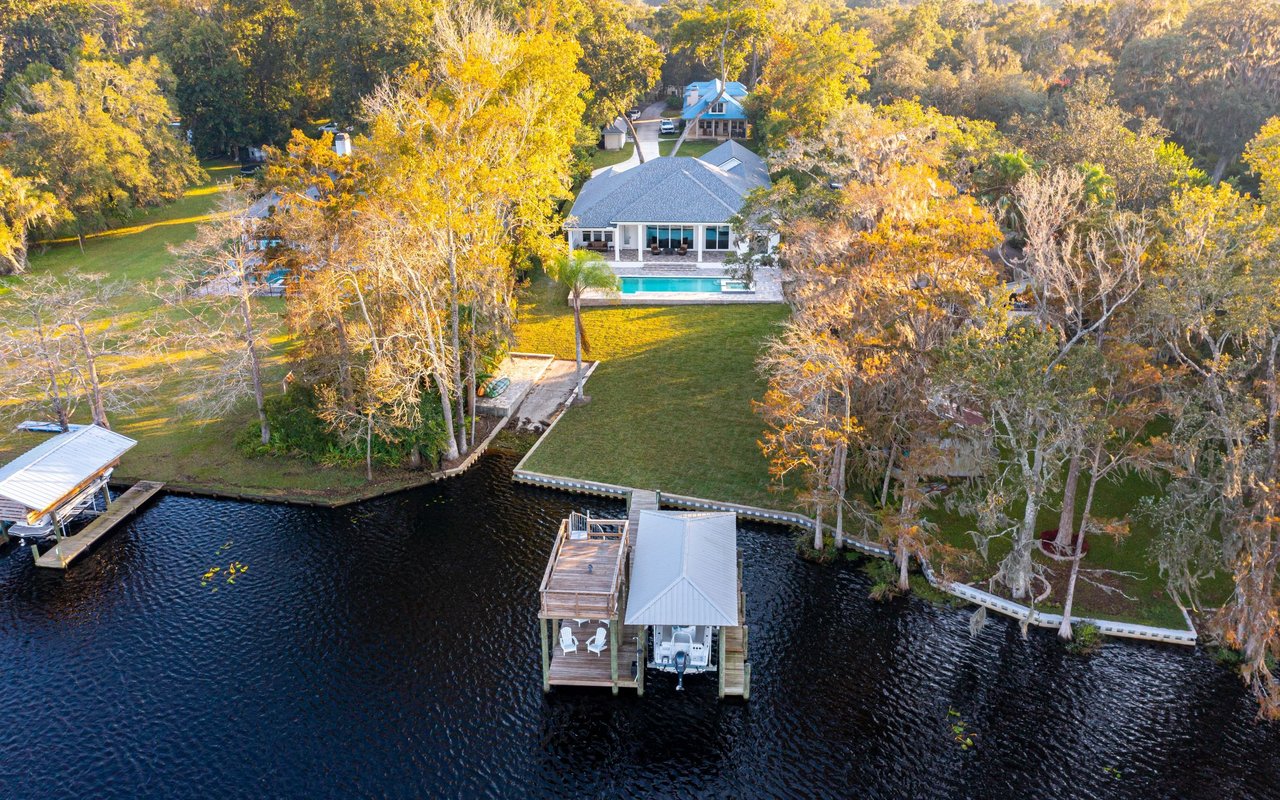
If your Conway purchase is part of a lake lifestyle, do not assume your homeowners policy will cover every boat or personal watercraft. Small boats may sometimes have limited property coverage under a standard homeowners policy, but larger boats and personal watercraft usually need separate policies.
Personal watercraft are not generally covered by homeowners insurance. If the property comes with dock access or fits how you plan to spend time on the water, ask about this before closing.
Questions to ask before you choose a home
A strong buying process in Conway includes both property questions and coverage questions. Here are a few smart ones to ask while you are still comparing options.
Ask your real estate agent
- Is the parcel in any Conway overlay district, especially floodplain or shoreline protection?
- Has the home ever been rented, used as a seasonal property, or left vacant for long stretches?
- Are there site-plan, subdivision, building, or zoning issues that could affect future work on the property?
Ask your insurance professional
- Is this best insured as a primary home, second home, landlord property, or vacant property?
- Do I need flood insurance for this address, and when would coverage become effective?
- How much replacement-cost coverage do I need to rebuild this specific house?
- What deductibles, loss-of-use limits, and liability limits make sense for this property?
- If the home will be empty at times, what winterization or water-shutoff expectations apply?
- Will any boat or personal watercraft need its own policy?
A practical buying sequence for Conway
If you want to keep things simple, follow a step-by-step approach. This can help you compare homes more accurately and reduce last-minute surprises.
1. Define the intended use
Start by deciding how you plan to use the home. Will it be your primary residence, a seasonal place, a future rental, or a property that may sit vacant at times?
That choice shapes the insurance conversation right away. It can also affect what questions you ask about the property itself.
2. Check overlays and local requirements early
Once you have a short list, look into Conway’s overlay information and ask about any permit, zoning, or rental issues tied to the property. This is especially helpful if you are considering waterfront, mountain-area, or future rental use.
Learning this early can save you time and make your home comparison more realistic.
3. Get address-specific insurance quotes
Do not rely on rough estimates alone. Ask for exact-address insurance quotes before you make a final decision.
Homeowners rates depend on factors like location, construction, age, local fire protection, and coverage amount. Flood rates are also tied to the specific property.
4. Bind flood coverage early if needed
If flood insurance will be required or is a good idea for the property, do not leave it for the final week. Since NFIP coverage usually starts after a 30-day waiting period, timing matters.
A little planning here can help prevent closing stress.
5. Update the town and insurer if use changes
If you buy the home as an owner-occupied property but later decide to rent it, make those updates before the use changes. Conway requires rental registration, and an insurance carrier may treat a rental differently from a primary residence.
This is one of the most common places where early planning pays off.
Why coordinated guidance helps
Buying in Conway often involves more than price, bedrooms, and square footage. You may also be weighing flood exposure, seasonal occupancy, rental plans, water access, or future improvements.
When you coordinate the real estate side with the insurance side, you can make cleaner comparisons and ask better questions before you commit. That kind of planning helps you protect both your budget and your long-term plans for the property.
If you are exploring a home in Conway and want practical guidance on both the property search and the coverage questions that come with it, reach out to James Oberg. You will get straightforward help from a local team that understands how real estate and insurance fit together in a four-season market.
FAQs
What insurance issues should buyers in Conway ask about first?
- Start with the property’s intended use, whether the parcel is in an overlay district, whether flood insurance may be needed, and whether the home will ever be vacant or rented.
Does homeowners insurance cover flood damage in Conway?
- No. Most homeowners insurance does not cover flood damage, so flood coverage needs to be reviewed separately.
Can a second home in Conway need different insurance than a primary home?
- Yes. A second home or a home left unoccupied for stretches may need different coverage than a primary residence, especially when freeze protection and vacancy issues are involved.
What should buyers know about renting out a Conway property later?
- If you plan to rent the home, insurance may need to change, and Conway requires rental registration and an inspection before renting when a property changes from a primary dwelling to a rental.
Do boats and personal watercraft need separate insurance in Conway?
- Often, yes. Small boats may have limited coverage under homeowners insurance, but larger boats and personal watercraft usually require separate policies.
When should buyers in Conway start the flood insurance process?
- As early as possible once you know the property may need flood coverage, because NFIP policies usually have a 30-day waiting period unless a specific exception applies.