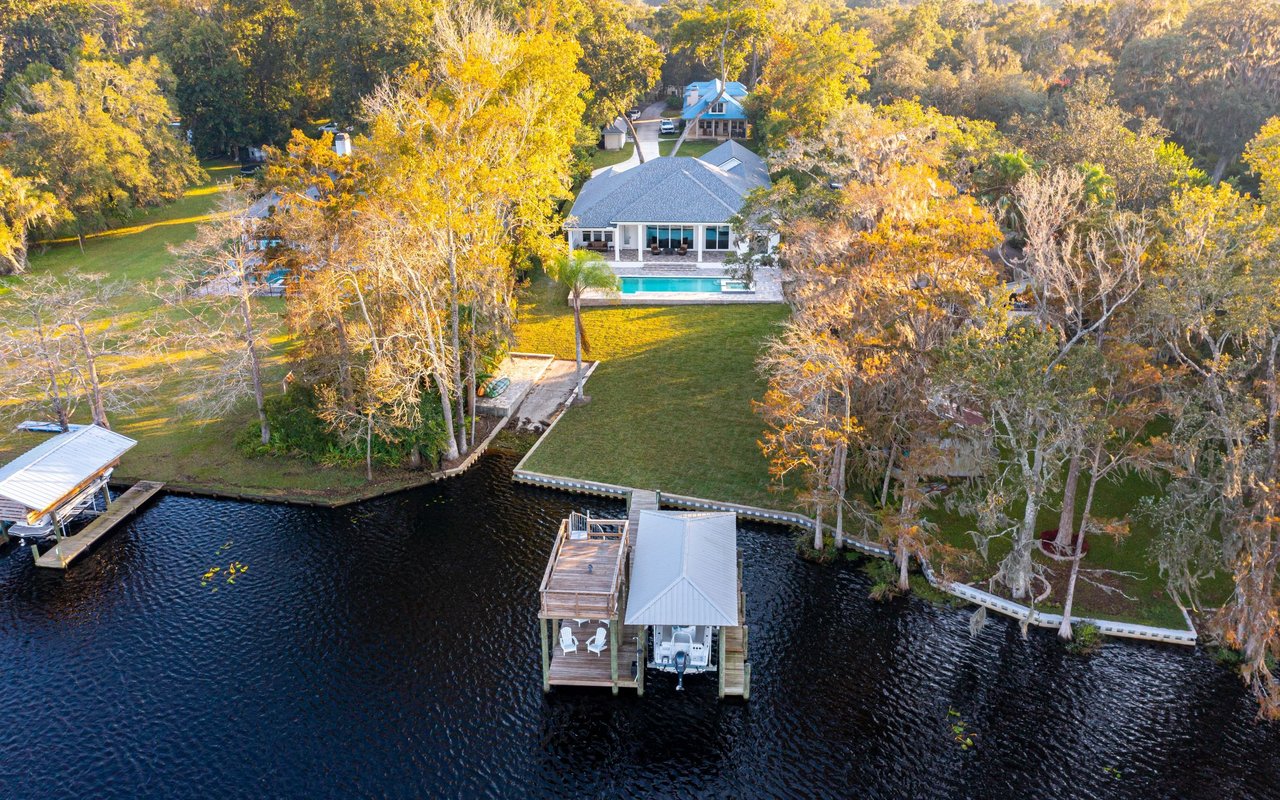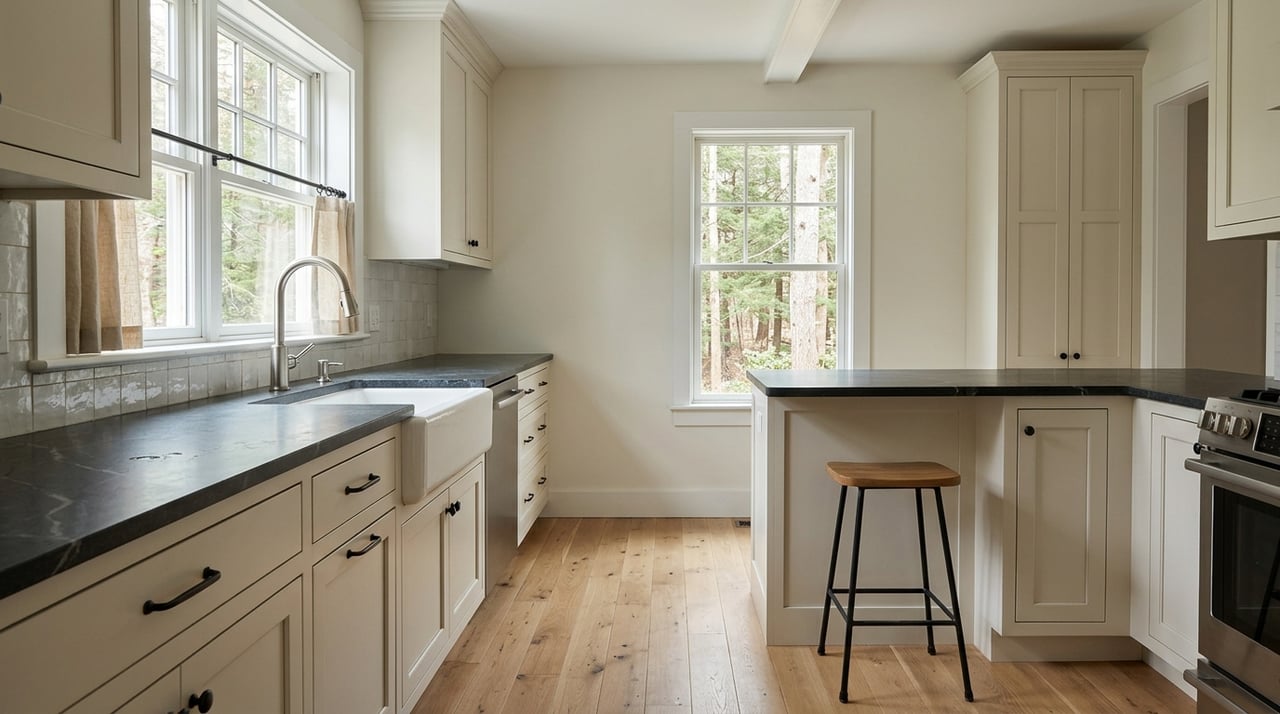
A second home should make your life easier, not more complicated. If you are looking for a mountain base that gives you year-round recreation, village amenities, and a practical connection to Maine’s Lakes Region, Conway deserves a close look. Here’s what makes Conway appealing for second-home ownership, what to know about its different village settings, and how to think through your options with confidence. Let’s dive in.
Why Conway Stands Out
Conway sits on the southeastern edge of the White Mountain National Forest and serves as the main economic and commercial hub of Carroll County. The town includes Conway, North Conway, Center Conway, Redstone, and Kearsarge, which gives you a mix of settings rather than a one-note resort experience.
That matters if you want a place you can actually use in different ways throughout the year. Conway combines everyday services and a meaningful year-round owner base with a tourism economy built around lodging, recreation, shopping, and dining.
Town data also adds helpful context. Conway’s estimated 2024 population was 10,296, and the owner-occupied housing rate was 71.2%, with a median owner-occupied home value of $314,000. Those numbers suggest a town with real full-time ownership, not just a visitor market.
Four-Season Lifestyle in Conway
For many second-home buyers, the biggest draw is simple: you want options in every season. Conway delivers that with direct access to mountain recreation and nearby village amenities.
The White Mountain National Forest is at the center of that appeal. According to the U.S. Forest Service, the surrounding area supports hiking, camping, biking, fishing, alpine skiing, cross-country skiing, backcountry skiing, snowmobiling, and snowshoeing, and the forest includes 160 miles of the Appalachian Trail.
Conway is also a practical gateway to this recreation. The Saco Ranger District office is located on Kancamagus Highway in Conway, reflecting the town’s role as an access point for the southeastern part of the forest.
If you enjoy local trail access close to town, Green Hills Preserve adds another layer. Near North Conway, it offers more than 50 miles of trails and connects to Pudding Pond, giving owners another nearby option for getting outside.
Ski Access Adds Real Appeal
Ski proximity is a major reason buyers consider Conway for a second home. You are not looking at a remote mountain outpost with one seasonal attraction. You are looking at a location tied into a broader ski and recreation network.
Cranmore is in the heart of North Conway and presents itself as a year-round destination. Attitash is in Bartlett, Wildcat Mountain is in Pinkham Notch, and Black Mountain is in Jackson, which means Conway owners have access to several well-known ski areas in the greater Mt. Washington Valley area.
That kind of variety can shape how you use your property. Some buyers want quick ski-day convenience, while others want a home base for winter weekends, summer hikes, and shoulder-season getaways.
Village Feel Matters
Not every part of Conway feels the same, and that is important when you are choosing a second home. The town’s planning documents point to meaningful differences between village areas.
North Conway Village
North Conway Village is described in the town’s master plan as a traditional grid with older and historic homes, along with mostly shops, restaurants, and bed-and-breakfasts. It is also described as dense and pedestrian-oriented.
For a second-home buyer, that usually means a more resort-oriented and walkable feel. It can be appealing if you want easy access to shopping, dining, and activity without needing to drive for every outing.
The same town planning materials also note parking pressure during peak summer and winter weeks. That is useful practical context if you are drawn to the energy of North Conway but want to understand its busiest periods.
Conway Village
Conway Village reads differently. The town describes it as a mixed-use center that primarily serves local residents and is surrounded by predominantly year-round neighborhoods.
If you prefer a setting that feels more local and residential, this may be the better fit. You may find the appeal is less about being in the middle of visitor activity and more about having a home base with a steadier everyday feel.
A Mix of Choices
Across town, the housing landscape is varied. Planning documents reference older and historic homes in North Conway Village, while Conway Village includes single-family, multi-family, and mobile-home residential categories, and the town has discussed higher-density residential possibilities near Route 16.
The practical takeaway is that Conway does not offer just one second-home product. You may find village homes, mixed-use village settings, condo-style or corridor-area options, and other property types that suit different budgets and lifestyles.
What Second-Home Buyers Often Want
When people picture a mountain getaway, they usually want more than a house. They want a property that fits how they plan to spend their time.
In Conway, second-home buyers are often drawn to a few key lifestyle advantages:
- Four-season recreation close to home
- Village access for shopping, dining, and services
- Different ownership styles, from historic village settings to more compact options
- A year-round community base, not just a peak-season destination
- Proximity to both mountains and Maine’s lake country
That last point matters more than you might think. If you already spend time in Bridgton or Maine’s Western Lakes Region, Conway can work as the mountain side of a broader four-season lifestyle.
Why Conway Pairs Well With Maine’s Lakes Region
For many buyers in this part of New England, the choice is not lakes or mountains. It is how to enjoy both. Conway fits that thinking well.
Bridgton’s planning materials place it along Route 302 between the Sebago Lake area and the White Mountains, and the Maine Lakes Chamber describes that broader region as having more than 20 lakes and ponds. That makes Conway a natural complement for buyers who already value time in Maine’s lake country.
In practical terms, the Lakes Region centers more on water-based leisure, while Conway gives you access to skiing, forest recreation, and village amenities. For some buyers, that combination creates a stronger long-term second-home strategy than focusing on one setting alone.
Practical Questions to Ask Before You Buy
A second home is about lifestyle, but good decisions are still built on clear planning. Before you move forward in Conway, it helps to think through how you will actually use the property.
Ask yourself:
- Will you use it mainly for ski weekends, summer hiking, or year-round stays?
- Do you want to be in a busier village setting or a more residential area?
- Would you prefer an older home with character, or a lower-maintenance option?
- How much space do you really need for family, guests, or gear?
- What insurance needs should you review early for a seasonal or second home?
That last question is easy to overlook. In a four-season market, it is smart to think about both the purchase and the coverage side early, especially if you are comparing different property types or patterns of use.
Why Local Guidance Helps
Conway offers a lot of appeal, but that also means buyers can face a wide range of choices. One village can feel walkable and visitor-focused, while another feels more local and residential. One home may fit as a simple getaway, while another may come with more upkeep or planning considerations.
That is where local, practical guidance matters. You want someone who can help you compare property types, understand how different parts of town function, and think through ownership decisions in a way that matches your goals.
At Oberg Insurance & Real Estate Agency, we understand how buyers weigh lifestyle, usability, and long-term planning across the lakes-and-mountains region. If Conway is on your list, James Oberg can help you explore your options with the straightforward guidance our family-run team is known for.
FAQs
What makes Conway, NH appealing for a second home?
- Conway offers four-season recreation, access to the White Mountain National Forest, nearby ski areas, village shopping and dining, and a housing mix that supports different second-home goals.
What is the difference between North Conway Village and Conway Village for buyers?
- North Conway Village is described by the town as more pedestrian-oriented and shop-focused, while Conway Village is described as a mixed-use center that primarily serves local residents and is surrounded by mostly year-round neighborhoods.
What kinds of properties can second-home buyers find in Conway?
- Town planning documents point to a varied housing stock that includes older and historic homes, single-family homes, multi-family housing, mobile-home categories, and higher-density residential possibilities in some areas.
Is Conway only a winter destination for second-home owners?
- No. Conway is positioned as a four-season destination with hiking, biking, fishing, camping, skiing, snowshoeing, and other recreation across the year.
How does Conway fit with Maine’s Lakes Region lifestyle?
- Conway can complement time spent in Maine’s lake country by giving you a mountain-based option for skiing, trail access, and village amenities within a broader four-season New England getaway plan.
Why should second-home buyers think about insurance early?
- Seasonal and second homes can involve different ownership patterns and property considerations, so it helps to review coverage needs early as you compare homes and plan how you will use the property.