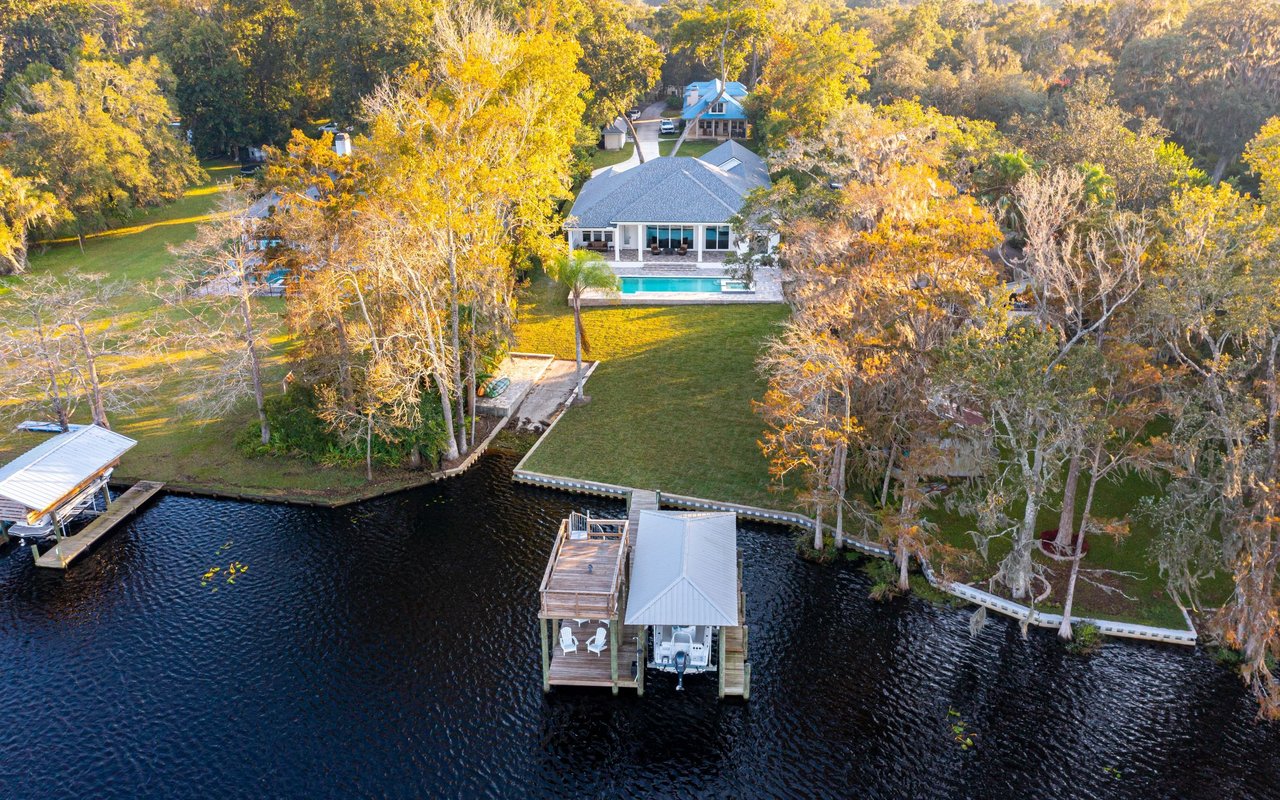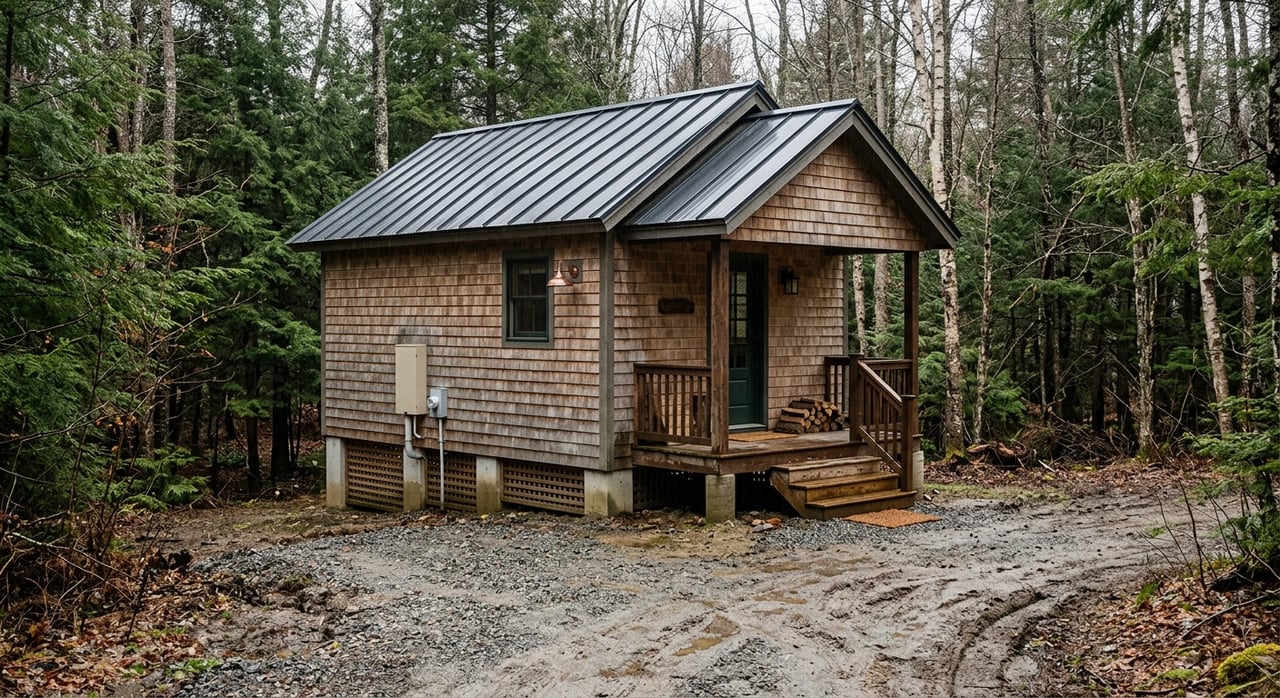
Buying land or a camp in New Sweden can look simple at first glance. You see trees, privacy, trail access, and maybe even water nearby, and it is easy to picture your future getaway or build site. But in a rural town like New Sweden, the real value of a property often comes down to what you can legally access, safely build, and realistically insure. If you want to make a smart purchase, a little extra homework up front can save you time, money, and stress later. Let’s dive in.
Why New Sweden Land Requires Extra Planning
New Sweden is a rural market with a landscape shaped by hills, woods, wetlands, brooks, ponds, and streams that flow into the Little Madawaska River and Caribou Stream. That natural setting is part of the appeal, especially if you are looking for privacy or a recreational property.
At the same time, New Sweden does not have public water or sewer service planned. The town is served by private wells and on-site wastewater systems, which means buying raw land is often less like buying a finished homesite and more like taking on a site-development project.
The town’s land use rules also matter from day one. Under New Sweden’s ordinance, residential lots have a 1-acre minimum and commercial buildings have a 2-acre minimum, with additional standards for setbacks, septic systems, parking, driveway access, and road design.
Check Access Before You Check Acreage
A large parcel is not always the better parcel. In New Sweden, one of the first questions to ask is whether you have a legal, documented way to reach the property.
Physical use does not always equal legal access. Maine Inland Fisheries and Wildlife notes that access to private land is a privilege, not a right, and railroad or utility corridors are not public rights of way. If a camp lot or back parcel appears to use a trail, woods road, or shared driveway, you should confirm those rights in the deed or other written documents.
This is especially important for recreational buyers. If you plan to use the property seasonally for ATV riding, snowmobiling, hunting, hiking, or simply getting to a camp site, access should be clear and dependable before you close.
Boundary Lines Matter More Than You Think
If you are buying acreage, camp property, or a parcel with informal trails, boundary questions deserve close attention. Maine licenses professional land surveyors to determine property boundaries, area, and subdivisions.
That matters because old fences, worn roads, or neighbor use patterns do not necessarily show the legal lot lines. A survey or updated boundary review can help you understand what you are actually buying and where improvements may fit.
Buildability Is Often the Real Question
In New Sweden, the main question is often not, “How many acres is it?” but “Where can you actually build?” Two parcels with similar size and price can be very different once you look at soils, wetlands, setbacks, and access.
The town’s comprehensive plan notes numerous wetlands and important natural resource areas. It also identifies ten non-forested wetlands over 10 acres, along with wildlife habitat and aquifer areas near the Little Madawaska River. Those features can affect where a driveway, septic system, or building envelope can go.
For residential permits tied to on-site sewage, New Sweden requires evidence of satisfactory subsurface soil conditions for drainage. The plumbing permit is also the owner’s responsibility, which means you want to understand these steps early instead of after closing.
Shoreland Rules Can Limit Your Plans
Waterfront and near-water parcels can be especially attractive, but they may also come with more restrictions. New Sweden’s shoreland zoning includes Resource Protection and Stream Protection districts, and Maine shoreland law applies within 250 feet of certain water bodies and 75 feet of certain streams.
That can affect clearing, building placement, and site disturbance. If a parcel is near a pond, stream, river, or wetland edge, you should verify what is permitted before assuming you can place a camp, expand an existing structure, or open up the view.
Wells and Water Testing Are Your Responsibility
Because New Sweden relies on private wells, water should be part of your due diligence plan. Maine CDC states that private wells are not regulated by the agency, so testing and treatment are the owner’s responsibility.
If you are buying an existing camp or home, Maine CDC recommends testing when purchasing the property. Annual testing is recommended for coliform bacteria, E. coli, nitrates, and nitrites, with broader testing every 3 to 5 years for items such as arsenic, lead, radon, uranium, and other water-quality indicators.
If you are planning new construction, a new well site must be approved before drilling. Maine CDC also says the well must be set back at least 300 feet from potential contamination sources such as fuel tanks and leach fields, then pass a 48-hour pump test and water-quality testing after drilling.
A Good Parcel Still Needs a Good Well Site
Even beautiful land can be challenging if the well and septic locations compete with each other or with the best building area. On a rural lot, the practical layout matters just as much as the total acreage.
When you walk a property, think beyond the cabin or house site itself. Ask where the driveway would enter, where the well might go, where the septic field could fit, and whether those pieces work together within the lot’s usable area.
Septic Feasibility Can Make or Break a Purchase
In New Sweden, septic planning is not optional guesswork. Maine CDC says septic permit applications must be prepared by a licensed site evaluator and require a site evaluation.
That is a key point for land buyers. If you are purchasing raw land for a future camp or home, septic feasibility can be one of the biggest factors in whether the parcel can actually be improved the way you want.
For shoreland-zone properties, inspections also matter during a sale. Maine CDC says septic inspections are required by law for properties in the shoreland zone when ownership is transferred.
Wetlands and Soil Conditions Affect Costs
A property may have enough acreage on paper but still offer limited options for a septic system or building footprint. Wetlands, drainage conditions, and soil limitations can all change your site plan and your budget.
This is one reason similar-looking parcels can have very different long-term value. A lower-priced lot may not be the better deal if site work, approvals, or design changes become more complicated than expected.
Recreational Use Is a Big Draw, But Verify the Details
New Sweden has strong appeal for outdoor buyers. The town’s plan highlights recreation opportunities for snowmobiling, mountain biking, horseback riding, hiking, ATV use, and cross-country skiing.
The Aroostook Valley Trail is a 28-mile year-round multi-use trail that runs through New Sweden and nearby towns. For buyers looking for a camp or land base tied to four-season recreation, that is a meaningful part of the area’s appeal.
Still, access to a trail network is not the same as legal access to your lot, and nearby water is not the same as deeded water access. The town notes there are no public hand-carry or boat launch areas in New Sweden, though Stockholm has public access to the Little Madawaska River.
Do Not Assume Water Access
If being near the water is part of your plan, verify whether the parcel includes frontage or written access rights. The Little Madawaska River supports a notable wild brook trout fishery, which can make nearby land especially appealing.
But without owned frontage or documented access, your use may be more limited than you expect. This is one of those details that should be confirmed in writing, not assumed from a map or a seller description.
Insurance Needs Change as the Property Changes
A raw parcel, a rustic camp, and a year-round home can each bring different insurance questions. Maine’s Bureau of Insurance explains that homeowners insurance covers a house and personal property, while a dwelling property policy can cover a seasonal home.
The Bureau also notes that seasonal or secondary homes may have a longer initial cancellation window and that a vacant property without custodial care can be grounds for cancellation. If a home is located in a flood plain, lenders usually require flood insurance.
This is important if your plans will evolve over time. If you buy land first, then add a camp, then winterize it or start using it more often, your coverage needs may change at each stage.
Review Coverage at Every Stage
A property that starts as a weekend retreat can quickly become something more. Heating upgrades, year-round occupancy, a new structure, or changes in vacancy patterns can all affect what kind of policy fits the property.
That is where practical guidance matters. At Oberg, we understand that property decisions and insurance questions often go hand in hand, especially with seasonal and recreational real estate in Maine.
A Smart Buyer’s New Sweden Checklist
Before you buy land or a camp in New Sweden, make sure you are asking the right questions:
- Is there clear legal access in the deed or other written documentation?
- Are the lot boundaries known and support your intended use?
- Is there a buildable area outside wetlands, protected resource areas, and required setbacks?
- Has septic feasibility been evaluated, or will you need a licensed site evaluator?
- If there is a well, has the water been tested?
- If you need a new well, is there an approved location with proper setbacks?
- Is the property in or near a shoreland zone?
- If water access matters, is it actual frontage or deeded access?
- If there is an existing camp, does the current use match local requirements and permits?
- Have you reviewed what type of insurance may fit the property now and after improvements?
Buying rural land or a camp can be incredibly rewarding, but it pays to be methodical. When you understand access, site limits, utility needs, and future insurance considerations before you close, you are in a much better position to buy with confidence.
If you are thinking about buying land or a camp in New Sweden, James Oberg can help you sort through the practical details and move forward with a clear plan.
FAQs
What should you verify first when buying land in New Sweden?
- You should first confirm legal access, lot boundaries, and whether the parcel has a realistic buildable area for your intended use.
What utilities should you expect for property in New Sweden?
- New Sweden is served by private wells and on-site wastewater systems, since the town does not plan to develop public water and sewer.
What should you know about septic approval in New Sweden?
- Septic permit applications require a site evaluation and must be prepared by a licensed site evaluator, and shoreland-zone properties may also require a septic inspection at transfer.
What should you know about wells when buying a camp or home in New Sweden?
- Private well owners are responsible for testing and treatment, and Maine CDC recommends water testing when you buy a new home and at regular intervals after that.
What should you know about waterfront or near-water land in New Sweden?
- Waterfront or near-water parcels may be subject to shoreland zoning limits on clearing, building placement, and site disturbance, so you should verify restrictions before making plans.
What should you know about insurance for a camp in New Sweden?
- Insurance needs can change as a property shifts from vacant land to a seasonal camp or year-round home, so it is wise to review coverage as the property use changes.